
Bottom line: A 30-second, a 3-minute, and a 20-minute presentation each do a different job. Bring the wrong document to the slot and the human audience stops listening.
“I have made this one longer only because I have not had the leisure of making it shorter.” - Blaise Pascal, Lettres provinciales, Letter 16, 4 December 1656.
No one owes us their attention
Attention is scarce. Information is not.
We have to earn attention from each person, every time. The order does not change: earn attention, convert attention to interest, convert interest to engagement. Each step needs the right amount of time and the right document.
The problem is usually a mismatch, not a presenter
Think back to the last few presentations you sat through. Could you read the slides from across the room? Did any run past the time allowed? Did you notice impatience, in yourself or in others?
Often the presenter knew the material. The document did not fit the slot.
The three jobs
30 seconds. Earn the first meeting. Use a spoken Ad-Lib. WHAT dominates: it communicates the essential value proposition.
3 minutes. Convert attention to interest. Use a short pitch deck. WHAT and WHY, with just enough how that no one calls it impossible.
20 minutes. Convert interest to engagement. Use the full pitch deck. WHAT, why, and HOW: enough for them to decide to invest further in some way.
A fourth document sits outside the live slots, to be read before or after your presentation. The Slidedoc is a PowerPoint deck designed for reading at arm’s length, and never projected. Think: a Word document crossed with an Infographic.
What each format is
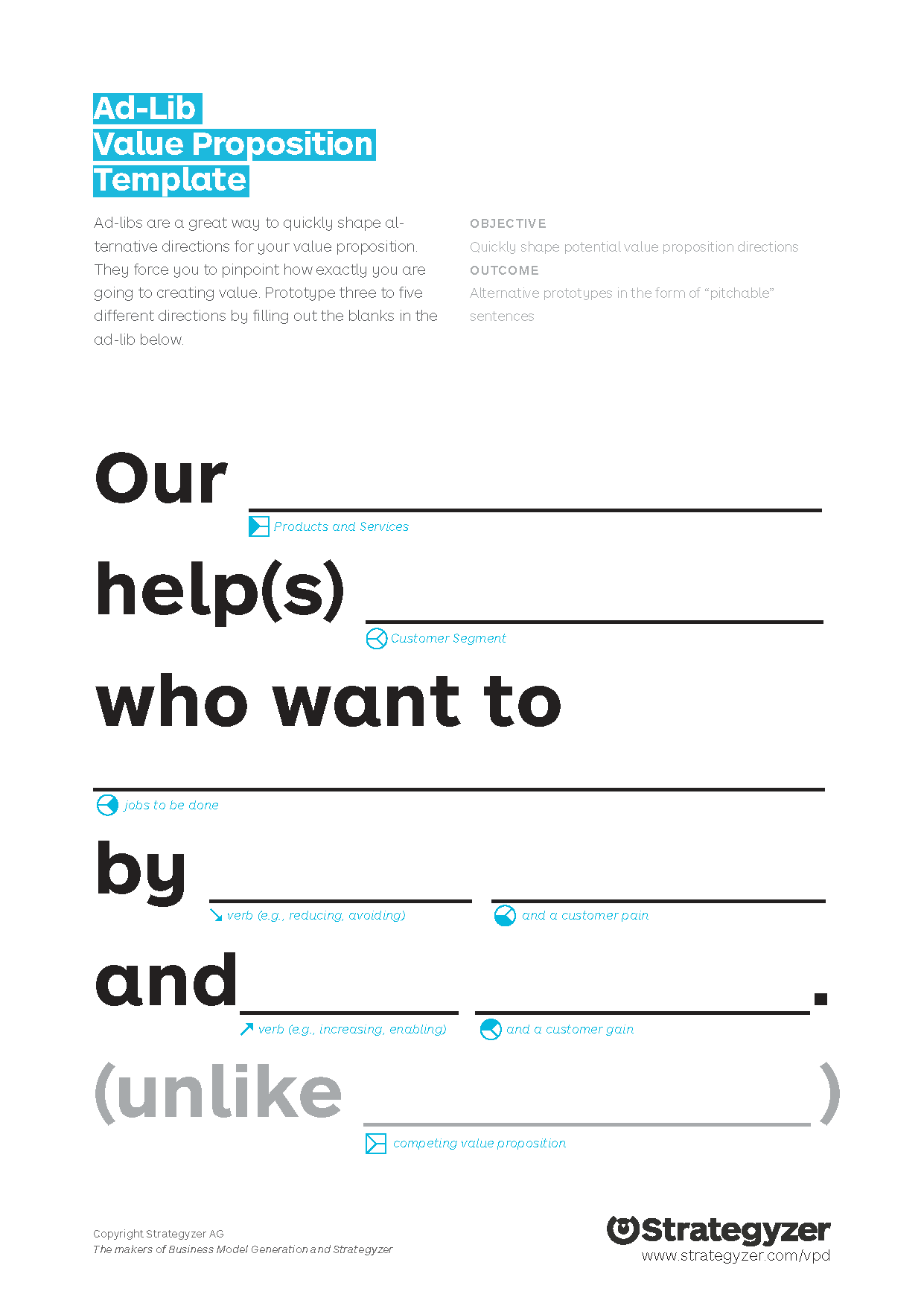
Ad-Lib. One sentence value proposition: what you offer, who it serves, what changes for them, and how it is different. Spoken. No slide.
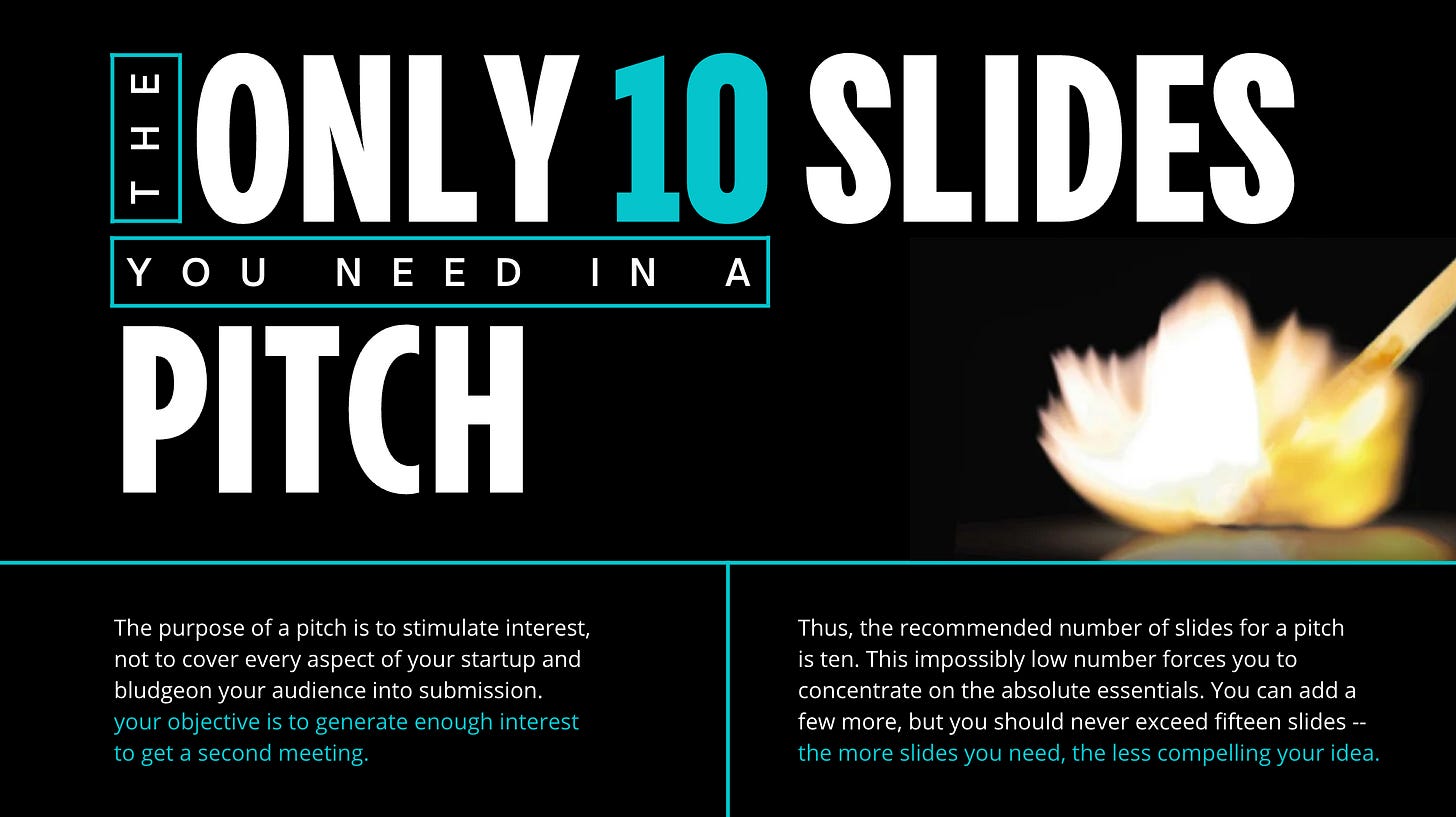
Pitch deck. Visual. Readable across a room; Kawasaki’s rule is no font under thirty points, ten slides his standard and fifteen his ceiling. Start with the shortest deck that does the job, and add a slide only where a test with your target audience shows they cannot follow you without it.
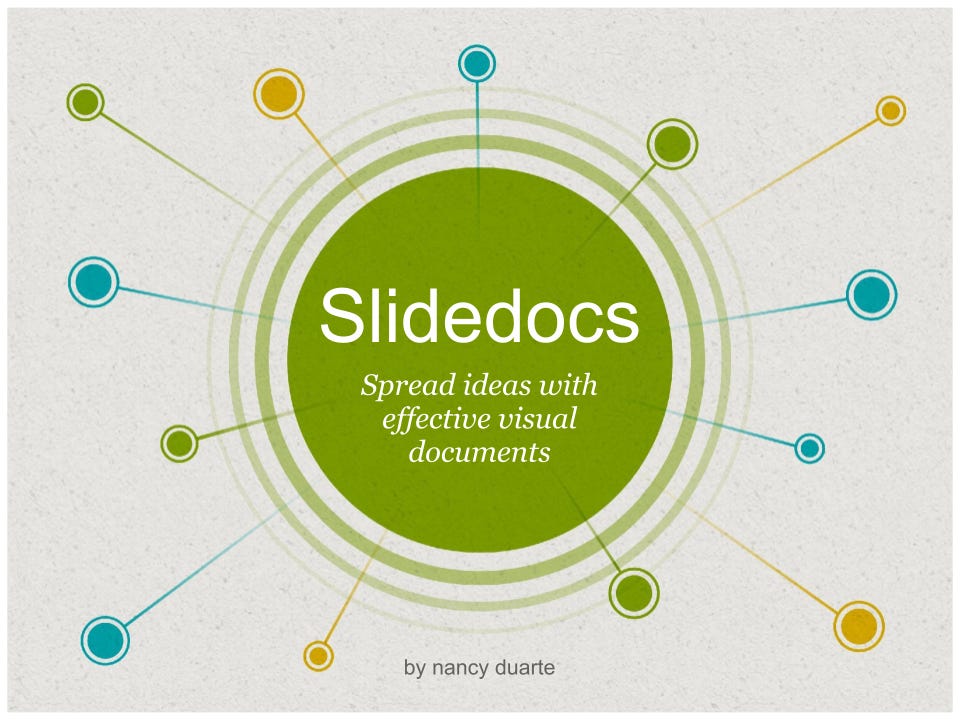
Slidedoc. A companion document built in presentation software but laid out for a phone, a laptop, or paper. It carries the dense detail you cut from your pitch deck, but the now-engaged reader will find valuable. Duarte’s own description: a pre-read or a leave-behind.
Where to get the formats
-
Ad-Lib Value Proposition Template, Strategyzer
-
The Only 10 Slides You Need in Your Pitch, Guy Kawasaki
-
Slidedocs, free ebook and PowerPoint templates, Duarte
Next. Part 2: When the First Reader Is a Machine.
Ralston Consulting Inc. is an AFITHigerEd.org Learning Partner for 2026.
This post first appeared on The Human Loop, RCI's Substack.